
The Beauty of Texture: How Textured Decor Brings a Room to Life
Have you ever walked into a beautifully decorated room that somehow felt flat or cold, despite having the right furniture and a pleasing colour scheme? Often, the missing element in these spaces is not another piece of furniture or a bolder paint colour. It is texture.
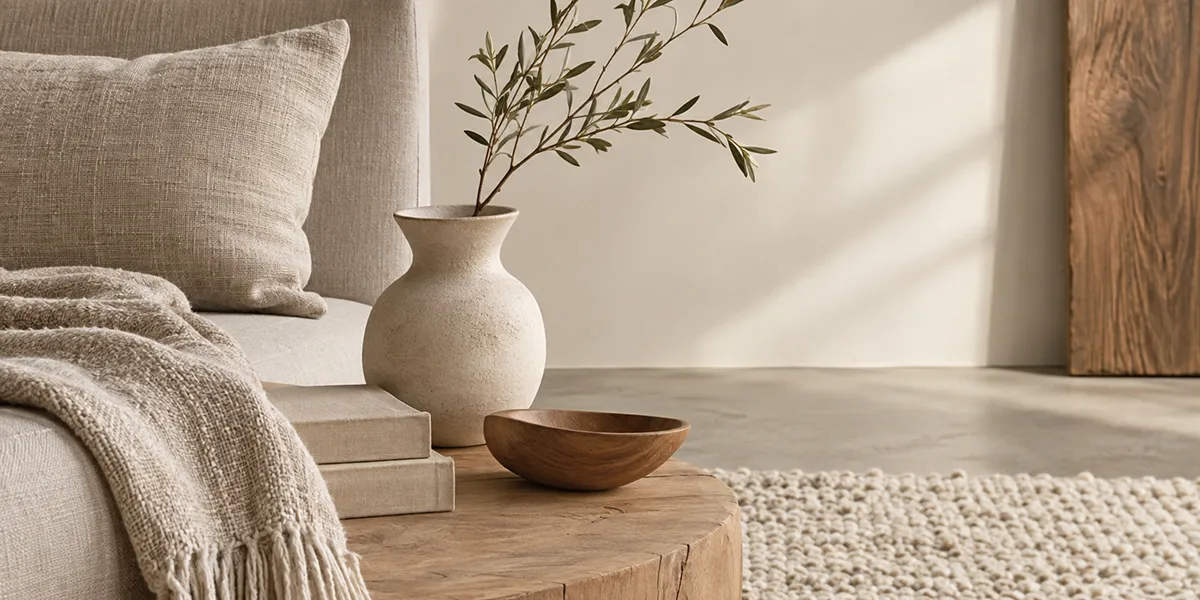
In contemporary homes, textured decor plays a vital role in turning a flat, sterile space into an inviting sanctuary. While colour catches the eye, texture engages our physical sense of touch and creates subtle visual depth. Understanding how to layer textures allows you to create interiors that feel rich, characterful, and deeply connected to daily living.
Key Characteristics of Textured Interior Styling
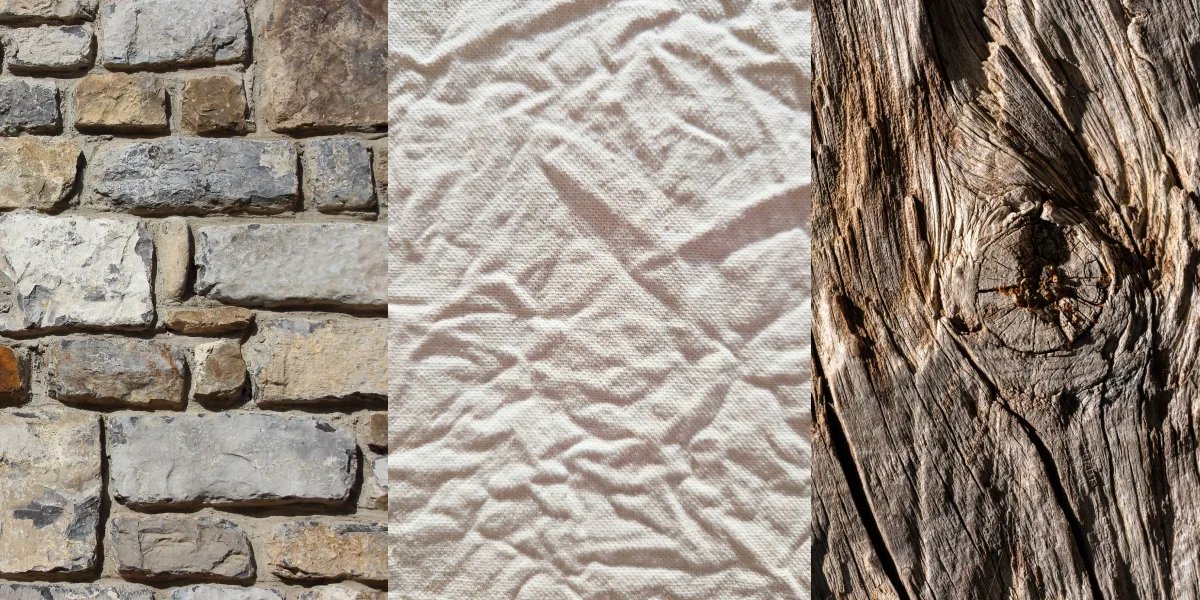
Incorporating tactile elements successfully requires a thoughtful balance. When every surface in a room carries the exact same smooth finish, the space loses its energy. Conversely, layering too many competing surfaces without intention can make a room feel chaotic.
Contrast and Harmony
The key to using textured decor is subtle contrast. Smooth plaster or painted walls paired with a natural fabric wall piece create a satisfying balance. A polished wooden sideboard benefits from a matte, hand-thrown ceramic bowl placed on top. The goal is to let surfaces contrast gently against one another, highlighting the unique qualities of each material.
Interplay with Light and Shadow
Texture responds dynamically to light. A flat wall reflects light uniformly, while natural cotton canvas, an unvarnished wooden branch, or a slubbed linen curtain catches natural daylight and casts tiny, subtle shadows. As the sun moves throughout the day, textured surfaces continually change, giving the room a subtle living quality.
Spatial Depth
Flat surfaces tend to push walls back, making a space feel larger but sometimes distant. Soft, tactile objects bring visual weight closer, grounding the room. Placing textured décor against smooth walls breaks up monotony and adds a layer of quiet dimension.
Colour and Texture: A Natural Partnership
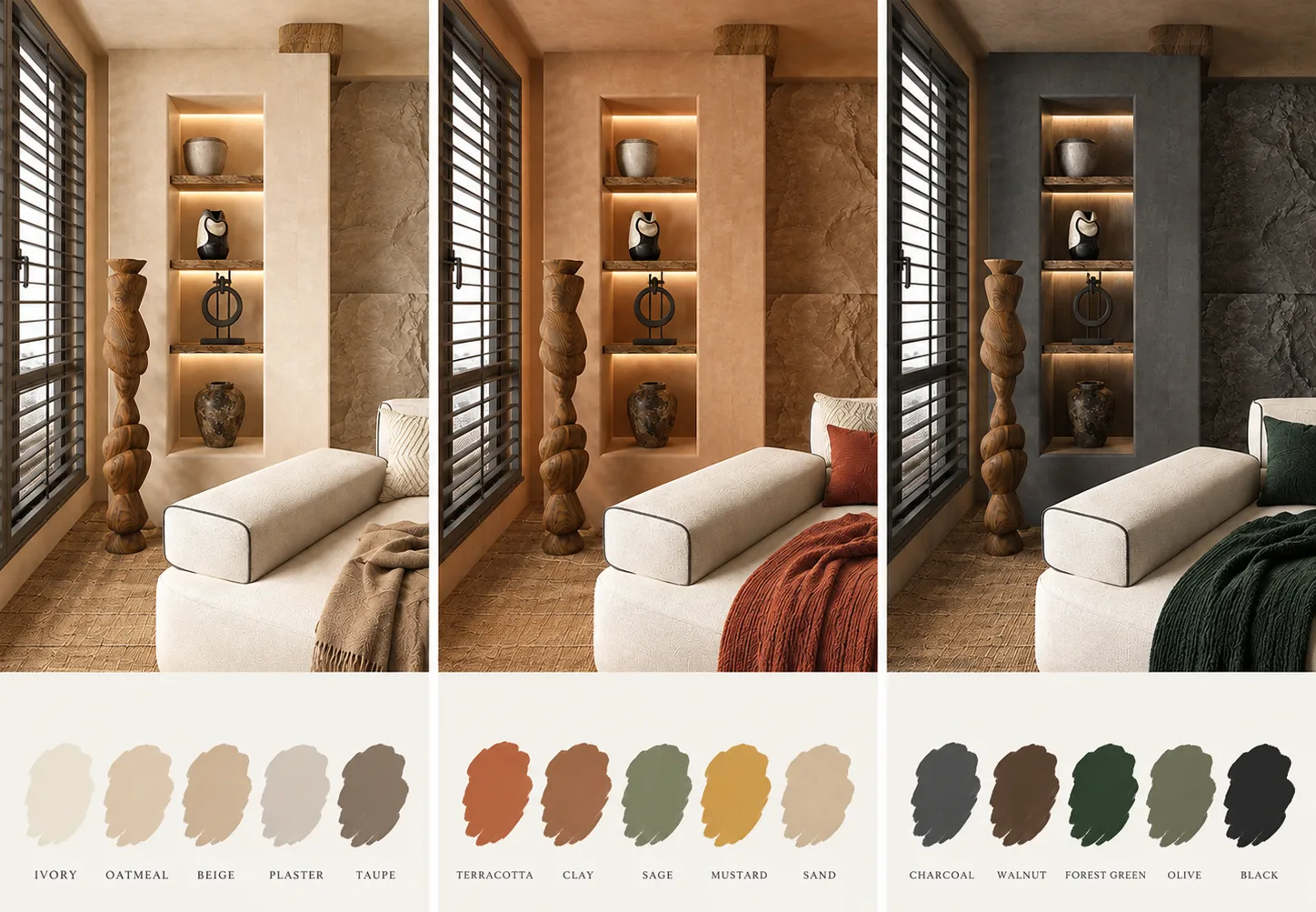
Texture is particularly powerful when working within a neutral or monochromatic colour palette. When vivid colours are kept to a minimum, texture steps in as the primary visual story.
- Base Neutrals: Warm ivory, oatmeal, soft beige, and chalky plaster tones create a clean, uncluttered canvas.
- Earthen Mid-Tones: Terracotta, muted sage, soft mustard, and warm clay introduce gentle, organic warmth.
- Grounding Accents: Charcoal, dark walnut, and deep forest green provide dark focal points that anchor soft woven materials.
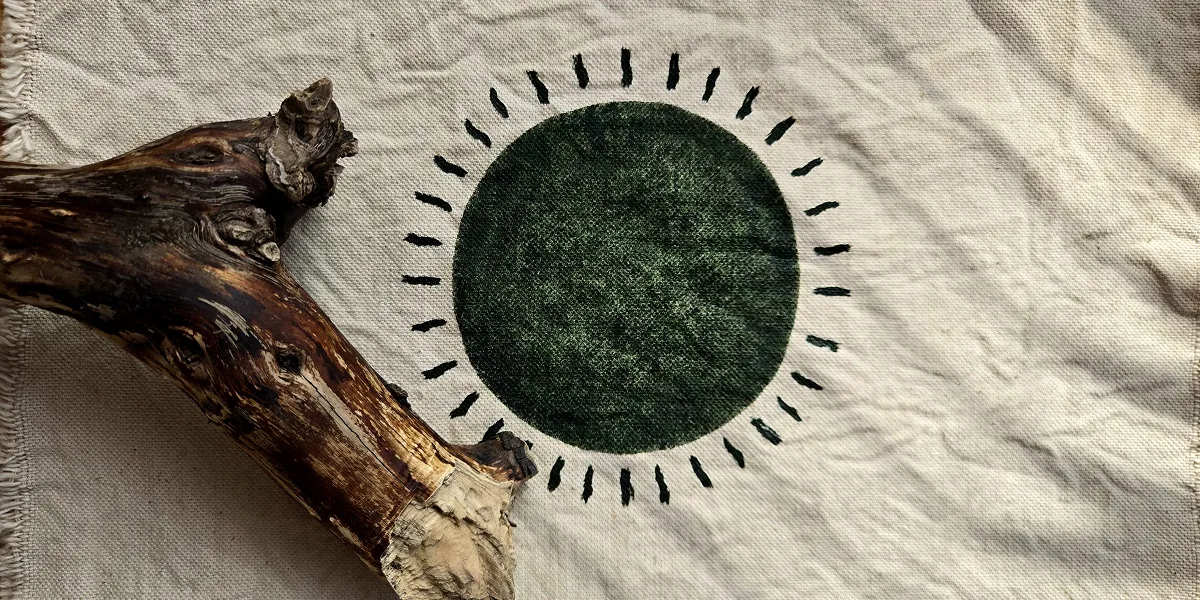
When you use a simple colour palette, a linen curtain or a wall piece in raw cotton feels rich because of the subtle irregularities in the thread. An off-white wall feels artistic when paired with a printed fabric hanging held by a raw wooden branch. The simplicity of the palette allows the material itself to shine.
Materials That Bring Tactile Warmth
Choosing the right materials is the foundation of creating a textured home. Natural, organic materials naturally possess richer tactile qualities than synthetic alternatives.
- Natural Fabrics: Linen, raw cotton, slubbed canvas, and wool knits bring softness and comfort to seating, windows, and walls.
- Organic Wood: Timber with exposed grain, raw edges, or natural branches introduces an irreplaceable feeling of nature indoors.
- Earthenware and Ceramics: Unglazed clay, matte stoneware, and hand-molded ceramics offer earthy, grounded surfaces.
- Woven Fibers: Jute, rattan, seagrass, and hemp provide intricate woven structures for rugs, baskets, and decorative accents.
The Feeling of a Textured Space
A room styled with rich tactile materials does more than look good in photographs. It shapes the atmosphere of your everyday life.
Surrounding yourself with natural, tactile surfaces brings a feeling of calm and warmth to a room. Smooth, glossy surfaces can sometimes feel formal or clinical. Soft fabrics, rough wood grains, and organic shapes make a home feel welcoming and approachable. It encourages people to relax, touch surfaces, and settle in comfortably. The space feels lived-in, grounded, and personal rather than staged.
Simple Ways to Bring Textured Decor Into Your Home
Adding tactile charm to your home does not require major changes or heavy remodelling. Small, intentional additions can completely alter the feeling of a room.
1. Reconsider Your Wall Decor
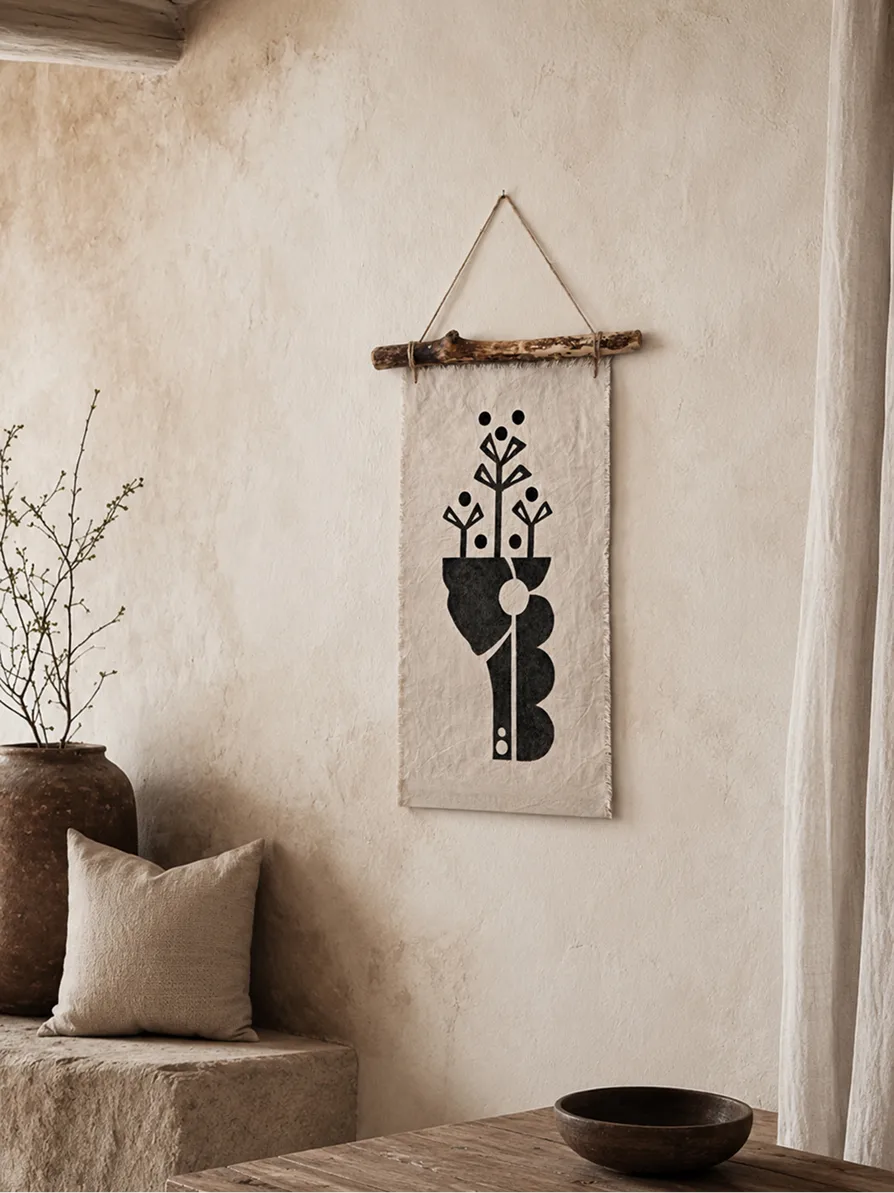
Instead of relying solely on framed paper prints or glass-fronted artwork, consider adding tactile wall art. A soft fabric hanging mounted on a real wood branch or a textured wall sculpture breaks up flat wall surfaces and introduces physical depth to living rooms and bedrooms.
2. Layer Textiles Thoughtfully
Mix different fabric weights across your seating and bedding. Combine a smooth linen sofa with a chunky knit throw blanket and textured cotton cushion covers. The varied surfaces add instant cozy comfort.
3. Display Ceramics with Character
Swap factory-made, perfectly uniform vases for hand-thrown pottery or matte ceramic vessels. Group two or three vases of varying heights on a sideboard or dining table.
4. Introduce Raw Wood Accents
Bring in small wood elements like a rustic side stool, a simple wooden tray on an ottoman, or a natural branch placed in a tall stoneware pitcher.
5. Anchor the Room with Natural Fiber Rugs
A jute or wool loop rug serves as an excellent tactile base for a room. Its rougher texture provides a lovely contrast against soft upholstered sofas and wooden coffee tables.
A Natural Connection to Handmade Art
When looking for meaningful textured décor, handcrafted pieces stand out. Machine-made items strive for uniform perfection, which can sometimes leave a room feeling characterless. Handcrafted art, by contrast, wears the mark of human touch.
Handmade objects bring organic variation, subtle character, and true craftsmanship into a living space. A piece of hand-cut raw linen fabric, a subtle print on natural cotton, or a uniquely curved wooden branch gathered from nature carries a story of time and effort. These small variations add warmth and soul, making your home feel curated with personal intention rather than assembled from a catalog.
Bringing Warmth Home with RainDow Art Cafe
By blending soft fabric surfaces with the raw, earthy feel of natural wood branches, these wall hangings offer an effortless way to introduce textured decor into your space. At RainDow, we intentionally craft unique, hand-applied textures onto every fabric—a defining mark of our artistic identity. Because each texture is created individually by hand, every piece carries a distinct character and high artistic value. Their neutral, earth-inspired tones bring a gentle warmth to living room walls, quiet reading nooks, or bedroom spaces, effortlessly softening modern interiors.
Explore our collection today to find the perfect one-of-a-kind piece for your home. View Shop