
What Is Japandi? A Guide to Japanese–Scandinavian Interior Design
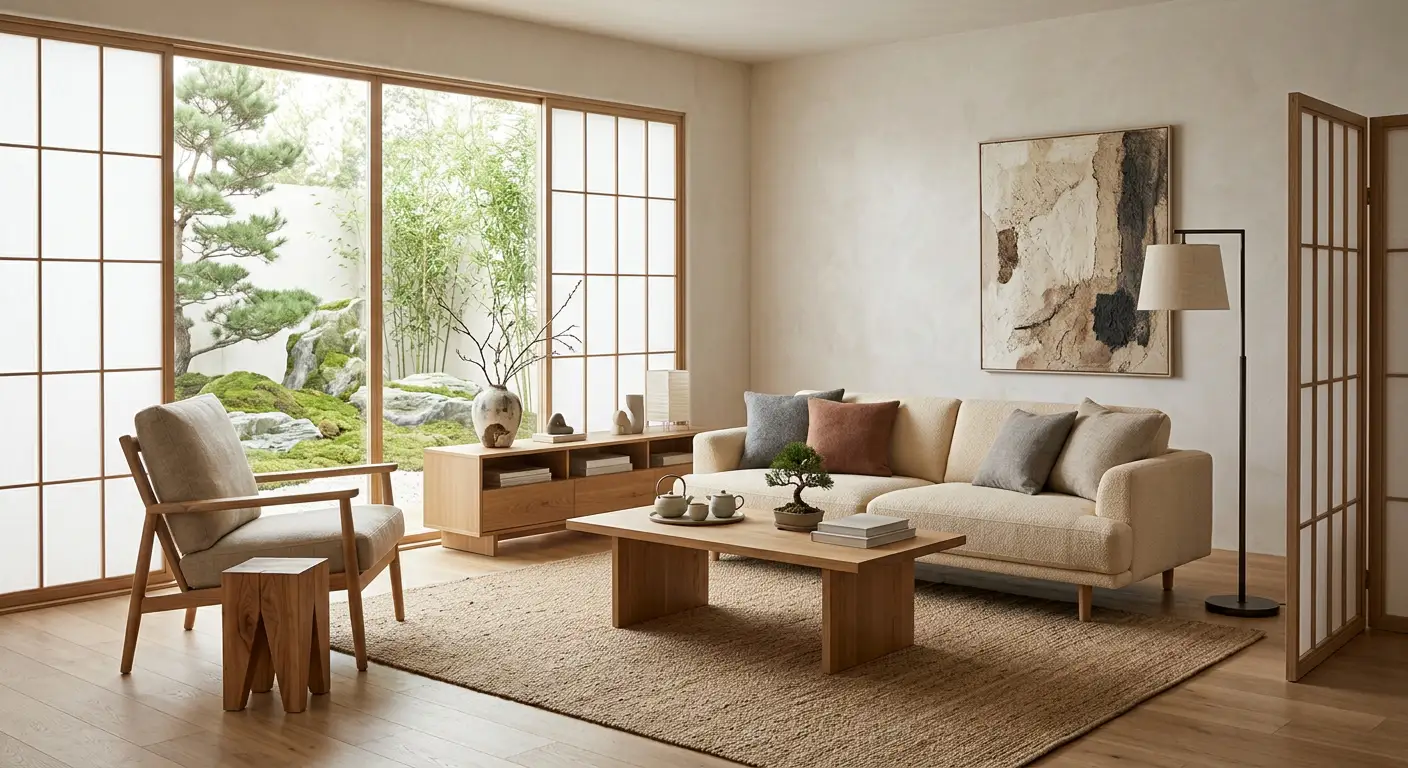
There is something immediately calming about a Japandi interior. It feels simple, but not empty. Minimal, but not cold. Natural, but still refined.
Japandi is a design style that brings together two distinct approaches to living and interiors: the quiet restraint of Japanese design and the relaxed practicality of Scandinavian spaces.
Rather than focusing on decoration, Japandi is about creating a home that feels balanced, comfortable, and intentional, with room for both people and the objects they choose to live with.
What Is Japandi Interior Design?
The word Japandi combines “Japanese” and “Scandi,” referring to Scandinavian design.
At its core, Japandi is about balance. Japanese interiors tend to emphasize simplicity, proportion, craftsmanship, and a strong relationship with nature. Scandinavian design brings a more relaxed approach, with an emphasis on functionality, comfort, and everyday living.
When these ideas come together, the result is an interior that feels refined but approachable.
Japandi spaces often feature simple furniture, warm neutral colours, natural textures, and carefully chosen objects. Instead of decorating every surface, the style gives individual pieces enough space to be appreciated.
Where Did Japandi Come From?
Japandi emerged from the similarities between Japanese and Scandinavian design philosophies, despite the distance between the two cultures.
Japanese design has influenced the way many people think about space, simplicity, and craftsmanship, while Scandinavian design has become known for its practical approach to comfortable everyday interiors.
The connection between the two is particularly visible in their appreciation for well-made objects, natural materials, clean forms, and spaces that are not visually overwhelming.
Japandi brings these qualities together without trying to make the two styles identical. The Japanese influence often creates a sense of restraint and quietness, while the Scandinavian side introduces softness and a more relaxed feeling.
This balance is what gives Japandi its distinctive character.
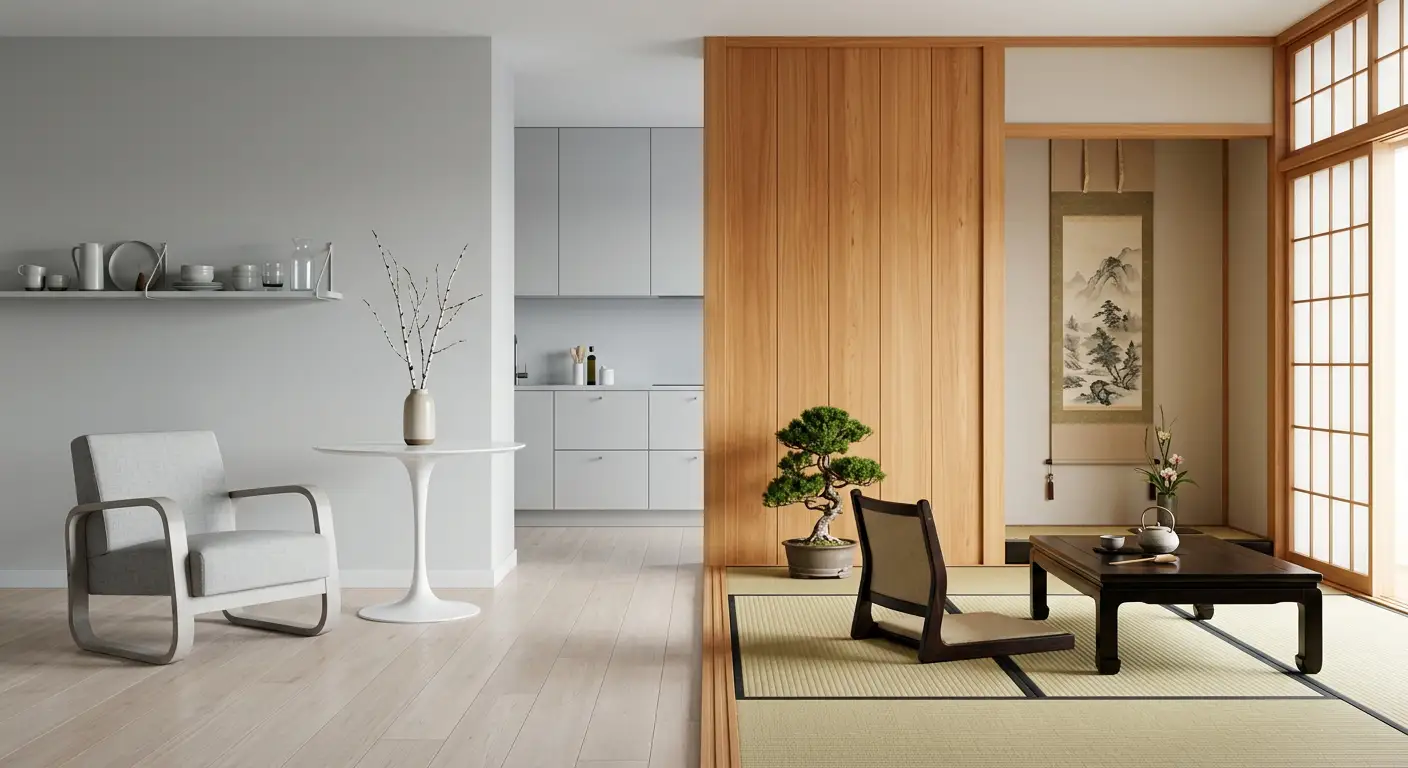
Japanese Design + Scandinavian Design = Japandi
The Core Principles of Japandi Style
Simplicity With Purpose
Japandi interiors avoid unnecessary decoration. This does not mean a room needs to be completely empty. Instead, every object should have a reason to be there.
A simple wooden chair, a handmade ceramic vase, or a carefully chosen piece of wall art can have more impact than a room filled with decorative objects.
The goal is not to own as little as possible. It is to create a space where the things you choose actually matter.
Natural Materials
Natural materials are at the heart of Japandi style.
Wood, linen, cotton, wool, stone, ceramic, bamboo, and woven fibres can all add warmth and texture to a space. These materials also bring subtle variations in colour and texture that make an interior feel more organic.
Rather than hiding these natural qualities, Japandi embraces them.
Wood grain, slightly uneven ceramics, woven textures, and natural fabrics can all become part of the beauty of the room.
Functionality
Scandinavian design brings a strong sense of functionality to Japandi interiors.
Furniture should be useful, comfortable, and well considered. A beautiful object is even more valuable when it also serves a practical purpose.
This approach helps prevent the room from feeling overly decorated. Instead, the space feels easy to live in.
Balance
Balance is one of the most important ideas in Japandi design.
A room can combine straight architectural lines with softer organic shapes, dark accents with warm neutrals, and minimal furniture with tactile materials.
The goal is not perfect symmetry. It is visual and functional balance.
Negative Space
Empty space is an important part of the Japandi aesthetic.
Leaving areas of a room open allows furniture, artwork, and architectural details to breathe. Instead of trying to fill every wall or corner, Japandi allows the eye to rest.
This is one reason Japandi interiors often feel peaceful even when they contain several different materials and textures.
Wabi-Sabi and Japandi
One of the Japanese ideas often associated with Japandi is wabi-sabi.
Wabi-sabi is an aesthetic appreciation of simplicity, imperfection, impermanence, and the natural effects of time. In an interior, this can be seen in handmade ceramics, natural wood grain, aged materials, irregular shapes, and objects that show evidence of craftsmanship.
This idea fits naturally with Japandi because the style does not require everything to look perfectly polished or identical.
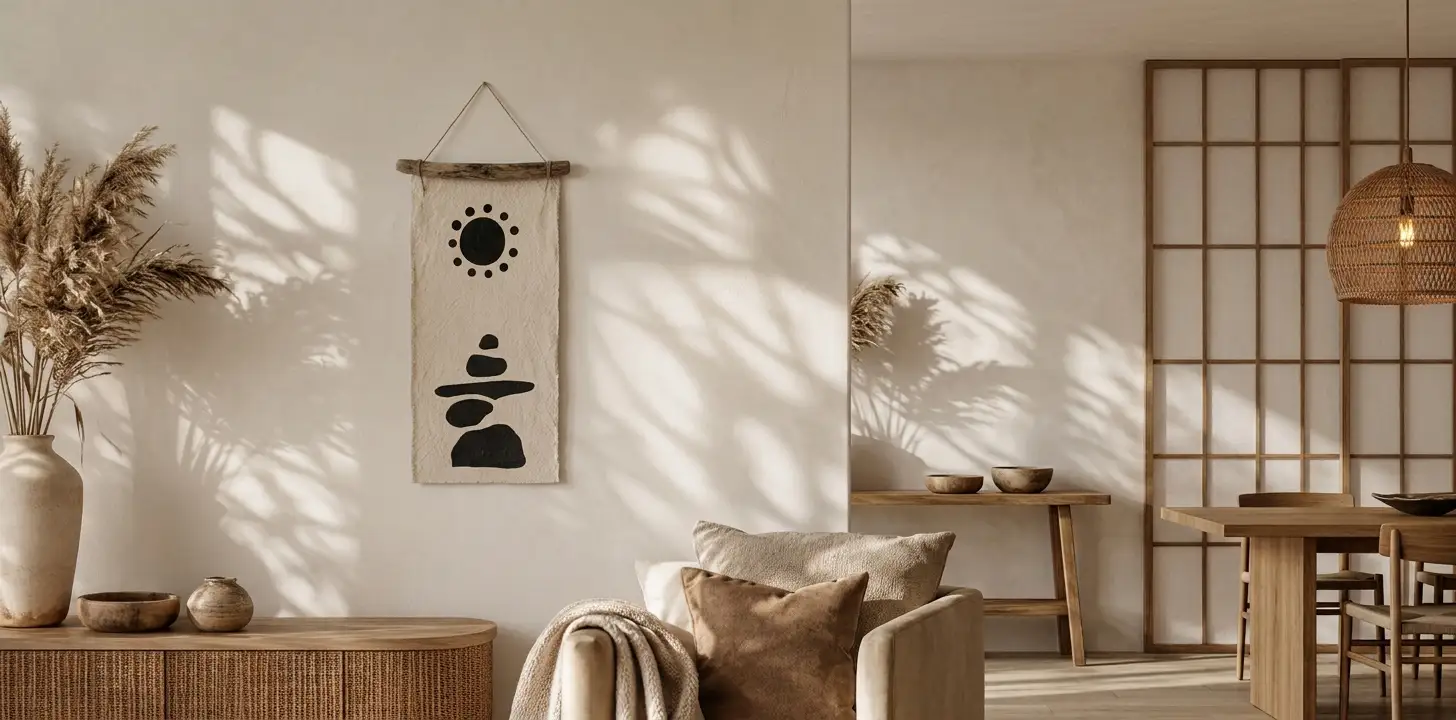
A handmade object may have small variations. A piece of natural wood may have an unusual grain. A handmade textile wall art may have subtle differences in texture.
These details can give a home character and make it feel more personal.
Hygge and Japandi
Another concept that helps explain the Scandinavian side of Japandi is hygge.
Hygge is often associated with comfort, coziness, and enjoying simple everyday moments. In interiors, this can mean soft textiles, warm lighting, comfortable seating, natural materials, and spaces designed for relaxation.
Japandi combines this sense of Scandinavian comfort with the restraint of Japanese design.
Think warm lighting instead of harsh overhead lights. Think a comfortable linen chair rather than a room full of furniture. Think a soft rug, natural wood, and a few meaningful objects rather than shelves filled with decoration.
The result is minimal, but still inviting.
What Does a Japandi Interior Look Like?
A Japandi interior usually feels calm, warm, natural, and uncluttered.
Japandi Colour Palette
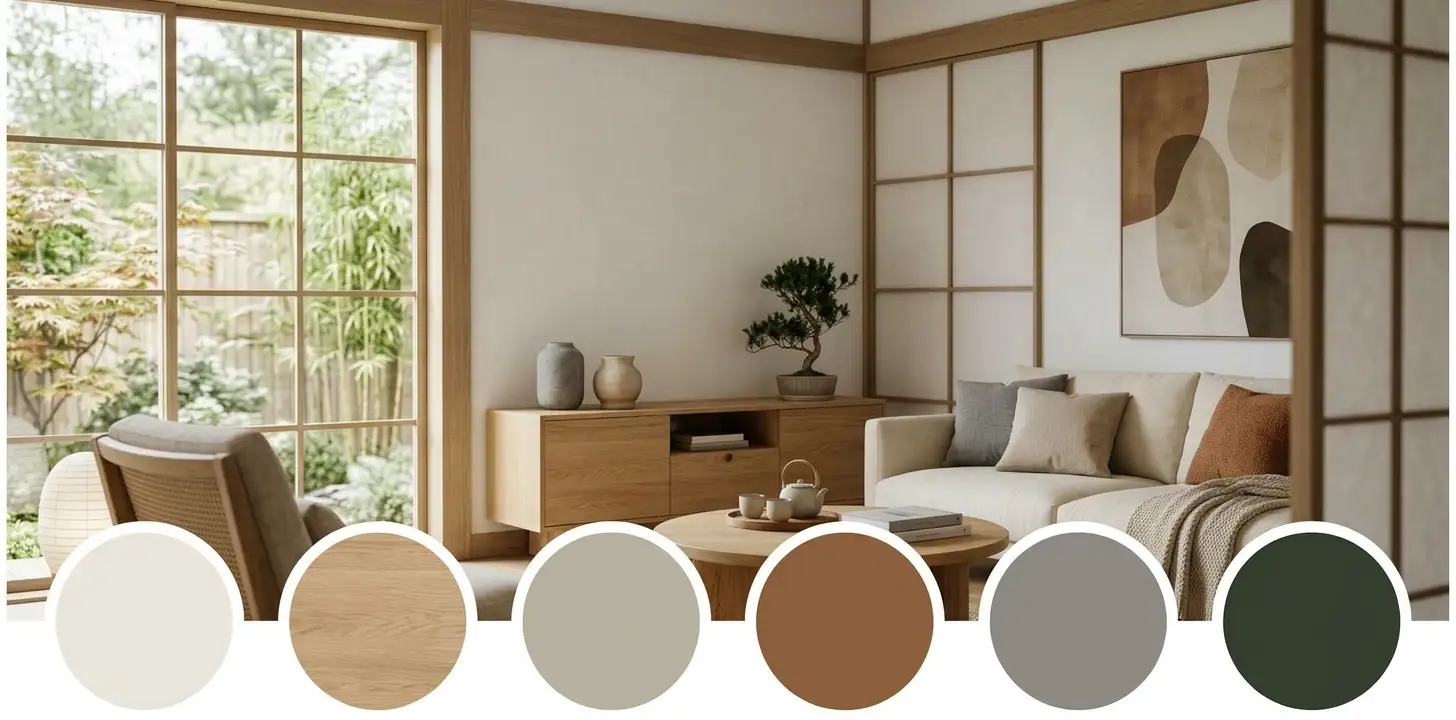
The Japandi colour palette is inspired by nature.
Warm white, cream, beige, oatmeal, greige, taupe, soft grey, brown, charcoal, muted green, and earthy tones are commonly used.
Rather than relying on strong contrasts or bright colours, Japandi creates interest through subtle differences in tone and texture.
A warm neutral wall might be paired with light or medium-toned wood, natural linen curtains, a muted ceramic piece, and a darker accent.
The overall effect is soft and grounded.
Materials and Textures
Materials are an important part of what gives Japandi interiors their warmth.
Natural wood can provide structure and warmth. Linen and cotton add softness. Ceramic introduces handmade character. Stone creates a sense of permanence, while linen fabric adds a natural, tactile quality.
Because the colour palette is often restrained, texture becomes especially important.
A room with several neutral colours can still feel rich and interesting when it includes different surfaces such as smooth wood, textured linen, rough ceramic, and natural stone.
Furniture and Forms
Japandi furniture tends to have simple, clean forms.
Low-profile furniture, natural wood, rounded edges, simple wooden structures, and organic shapes work particularly well.
The focus is on quality and proportion rather than elaborate decoration.
A simple dining table made from natural wood can become the centre of a room without needing decorative details. A sculptural chair or carefully chosen side table can add personality while keeping the overall space calm.
How Is Japandi Different?
Japandi sits somewhere between Scandinavian comfort and Japanese restraint.
Scandinavian interiors tend to feel bright, relaxed, and welcoming, while Japanese minimalism is often quieter and more restrained.
Japandi combines the two.
It keeps the clean lines and simplicity of both styles, but adds warmth, texture, and comfort. Handmade objects, natural imperfections, and organic materials can also play a stronger role, giving the space a more personal and lived-in feeling.
In simple terms:
- Scandinavian design focuses on comfort and everyday functionality.
- Japanese minimalism focuses on simplicity and what is truly necessary.
- Japandi brings both together through warmth, balance, and natural materials.
Why Does Japandi Feel So Calm?
There is a reason Japandi interiors often feel peaceful.
First, there is visual order. The limited colour palette and simple furniture reduce visual noise.
Then there are natural materials. Wood, linen, ceramic, and woven textures add warmth without creating visual clutter.
Finally, there is negative space. Not every surface needs to be decorated, and not every corner needs to be filled.
Together, these elements create an environment where the eye can move easily through the room.
The style also leaves room for personality. Instead of using many decorative objects, you can express your taste through a few carefully chosen pieces, especially objects with natural textures, handmade qualities, or personal meaning.
Is Japandi Right for Your Home?
Japandi can work beautifully if you prefer a home that feels calm, natural, and uncluttered.
It may be a good fit if you:
- Prefer neutral or muted colours
- Love natural wood and organic materials
- Appreciate handmade objects and craftsmanship
- Prefer quality over quantity
- Want your home to feel calm without feeling cold
- Like Scandinavian interiors but want something more earthy
- Love Japanese minimalism but want a little more warmth and comfort
One of the best things about Japandi is that you do not need to completely redesign your home to introduce the style.
You can start small. Replace a few decorative pieces with natural materials, introduce warmer lighting, reduce visual clutter, or add a handmade object that brings texture and character to the room.
Japandi is less about following a perfect formula and more about creating a space that feels balanced and intentional.
Japandi is more than a decorating trend. It brings together Japanese simplicity, Scandinavian warmth, natural materials, and an appreciation for craftsmanship.
The result is a home that feels calm, comfortable, and intentional without feeling empty or overly styled.
At its heart, Japandi is about choosing with purpose, leaving room to breathe, and finding beauty in natural materials and simple everyday objects.