
Understanding Fabric as a Surface
What You Will Understand by the End
- How fabric behaves differently from paper and canvas
- Why certain fabrics absorb, bleed, stretch, or distort
Fabric Is Not a Flat Surface
Because of this flexible structure, fabric does not simply hold color on top of it — it reacts to it. The color can spread between fibers, follow thread directions, or become uneven if the fabric moves or absorbs moisture differently across the painting surface. This is why working on fabric requires understanding how a fabric painting surface responds, rather than applying color the same way you would on paper or canvas.
Fabric vs Paper vs Canvas
Paper, canvas, and fabric interact with color differently because each surface is built in a unique way.
- Paper usually absorbs color quickly and evenly, which helps create sharp edges and controlled details.
- Canvas is often coated and more sealed, allowing paint to sit more on top of the surface instead of soaking in, which supports layering and corrections.
- Fabric, however, absorbs color through its fibers and threads, making it behave very differently as a painting surface. Color can spread, soften, or travel along the weave, which makes working on fabric more influenced by the material itself.
Types of Fabric Surfaces
Fabric surfaces behave differently because fabric is not made as one solid sheet. Most fabrics used as a painting surface are created by interlacing or looping threads in specific patterns, forming what is called a fabric structure. Understanding these structures helps artists predict how a fabric painting surface will stretch, absorb color, and react to moisture or pressure.
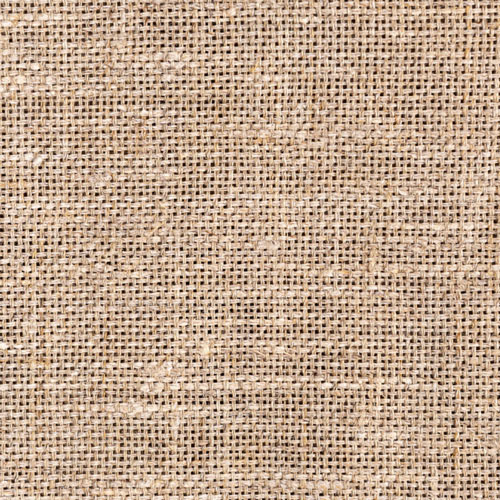
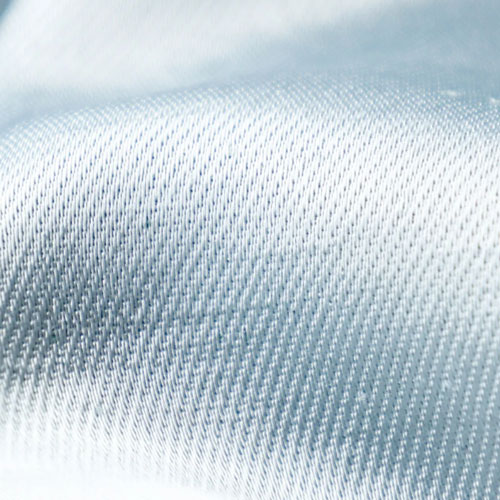
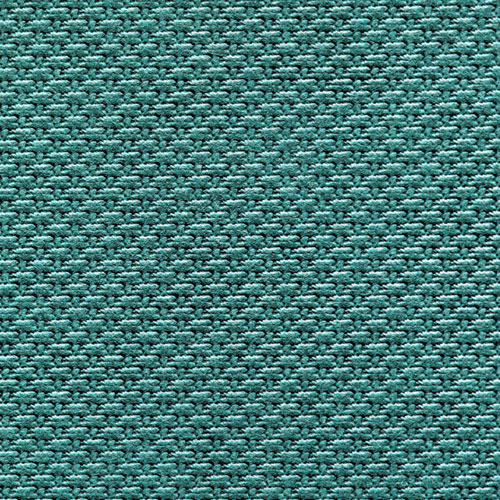
The three “main” foundational woven fabric structures are plain weave, twill weave, and satin weave.
- Plain weave is the most basic and balanced structure, where threads cross over and under each other evenly. This type of fabric painting surface is usually stable and allows relatively controlled color absorption.
- Twill weave creates visible diagonal lines and allows slightly more flexibility and movement. This structure can influence how paint travels across the surface and may create directional color flow.
- Satin weave places threads in longer floating patterns, creating smoother and more delicate surfaces. Because of this smooth structure, paint may behave less predictably and sometimes remain closer to the surface rather than absorbing evenly.
Knit Fabric Surfaces (Common in Clothing and T-Shirts)
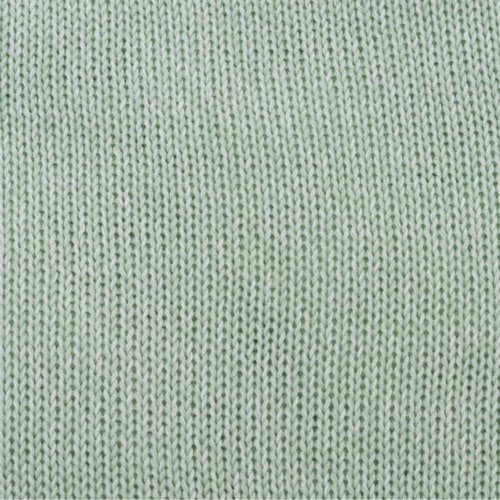
Not all fabric painting surfaces are woven. Many garments, especially T-shirts, are made from knit fabrics, which are created by looping threads together instead of weaving them across each other. The most common example is jersey knit, widely used in T-shirts and casual clothing.
Knit fabric painting surfaces are usually softer, stretchier, and more flexible than woven fabrics. Because of their stretch and movement, paint can sometimes distort or crack if the fabric is pulled after painting. Knit fabrics also absorb paint differently, often allowing color to spread slightly while the surface moves during use or washing. Understanding this behavior is essential when painting wearable fabric art, especially on clothing like T-shirts.
Fiber Type and Fabric Behavior
Fabric behavior is also influenced by the type of fiber.
- Natural fabrics such as cotton, linen, or silk usually absorb moisture and paint more easily, allowing pigment to sink deeper into the fibers and often producing softer, more organic results.
- Synthetic fabrics such as polyester or nylon tend to resist absorption, which means paint may remain closer to the surface or spread unevenly.
The difference is not about chemical formulas but about how the fibers interact with liquid and pigment.
Thread Density and Surface Texture
Thread density and surface texture further affect how a fabric painting surface behaves.
Tight weave fabrics, where threads are packed closely together, usually allow sharper edges and more controlled paint placement. Loose weave fabrics contain visible gaps between threads, allowing paint to spread more freely and create softer or textured effects.
Surface texture also plays an important role. Smooth fabrics help paint move more evenly, while textured fabrics interrupt paint flow and can create natural variation, depth, and unexpected patterns. Understanding these surface differences helps artists predict how fabric will respond before beginning any fabric painting process.
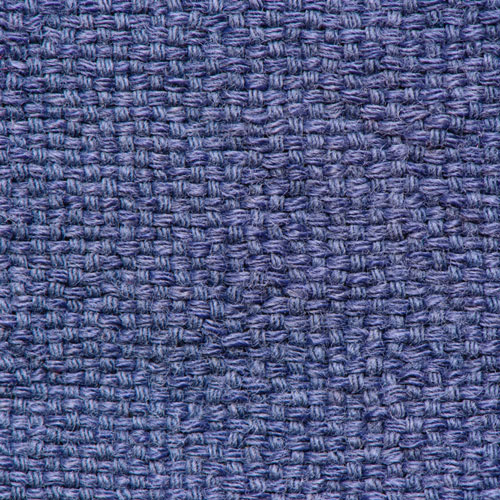
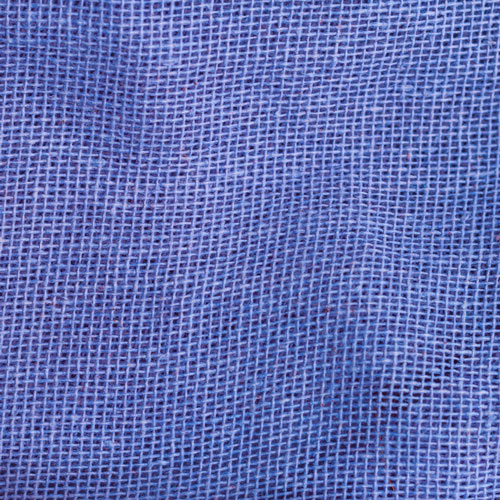
Note: Fabric exists in many more variations than the ones introduced here. In this lesson, we focus on the most common and foundational fabric structures to help you build material awareness. Once you understand how these main fabric types behave, it becomes much easier to explore and work with more complex or specialized textiles in the future.
Fabric is not a flat surface because it is made from interwoven threads that can move, stretch, and shift under pressure. Unlike paper or canvas, which stay mostly stable and rigid, fabric has flexibility and direction. The threads create a structure called the grain, which controls how the fabric stretches, pulls, or holds shape. When preparing fabric for painting or artistic work, understanding how the painting surface behaves is essential. When you touch, paint, or wet fabric, the threads can separate slightly, tighten, or move, which directly affects how color interacts with the fabric painting surface.
Because of this flexible structure, fabric does not simply hold color on top of it — it reacts to it. The color can spread between fibers, follow thread directions, or become uneven if the fabric moves or absorbs moisture differently across the painting surface. This is why working on fabric requires understanding how a fabric painting surface responds, rather than applying color the same way you would on paper or canvas.
Why Fabric Behaves the Way It Does
Fabric behaves the way it does as a painting surface because it is made from individual fibers and threads that create small spaces where moisture and pigment can travel.
- Absorption happens when liquid color is pulled into these fibers. Some fabrics absorb paint quickly and deeply, while others absorb slowly or unevenly, depending on fiber type and fabric structure. This is why the same paint can appear stronger, softer, or slightly different when applied to different fabric painting surfaces.
- Bleeding happens when paint spreads beyond its original placement, usually following the tiny channels between threads or moving with moisture inside the fabric. This natural movement can soften edges and create organic transitions, which is a common characteristic of fabric painting.
- Distortion and warping occur because fabric is flexible and reacts to moisture and pressure. When fabric becomes wet or is stretched during painting or drying, threads can shift or tighten in different directions, causing the painting surface to lose its original shape. This reaction is especially noticeable in flexible or stretch fabrics such as those used in clothing.
Understanding these natural reactions helps artists work with a fabric painting surface instead of trying to force it to behave like a rigid material. Learning to observe how fabric responds allows artists to make better decisions about paint application, surface preparation, and long-term durability of fabric art.
Practice Exercise: Surface Testing
To understand how a fabric painting surface behaves, this exercise focuses on observation rather than artistic results. The goal is to help you recognize how different fabrics react to the same color application.
What You Need:
- One fabric paint or textile color
- Small fabric samples or scraps from three different types (cotton, linen, jersey knit, or any fabrics you have available)
- Brush or simple application tool
Note: If you are not familiar with fabric paints or are unsure which type to choose, you can review the next lesson first and then return to complete this exercise. For testing purposes only, you may also use regular acrylic paint to observe how the fabric reacts to paint.
Step-by-Step Practice:
- Prepare three small fabric samples. Make sure the fabric pieces are clean and dry.
- Using the same color and the same tool, apply a simple shape, line, or brush stroke on each fabric sample. Try to keep the amount of paint and pressure similar on all samples.
- Allow the fabric samples to dry completely without stretching or moving them.
Observation Guide:
While working and after drying, carefully observe the following:
- How quickly the color absorbs into each fabric
- How sharp or soft the edges of the paint appear
- How much the color spreads across the surface
- Whether the fabric surface changes after drying (stiffness, distortion, or texture changes)
- After applying color, check the back side of each fabric to see whether the paint has bled through
- Observe whether the color spreads evenly across the fabric or appears patchy or inconsistent
Optional Documentation (Highly Recommended)
Photograph your fabric samples side by side after they are dry. Comparing the results visually helps you understand how fabric structure influences paint behavior. Keeping these samples can also become a personal reference library for future fabric art projects.
Example Observation Samples
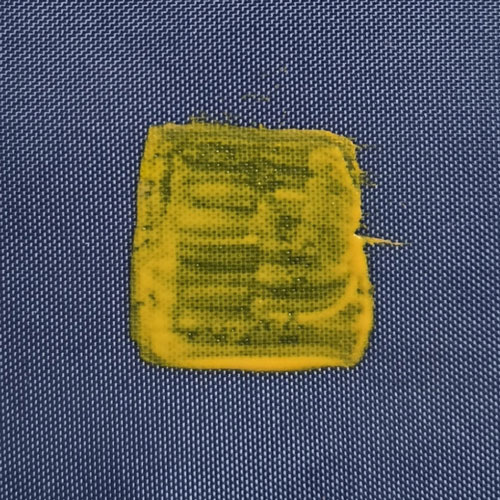
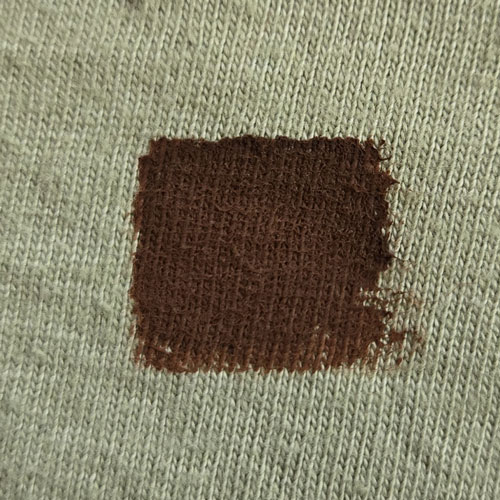
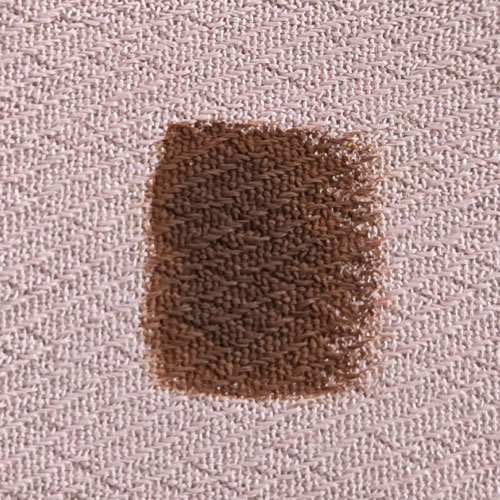
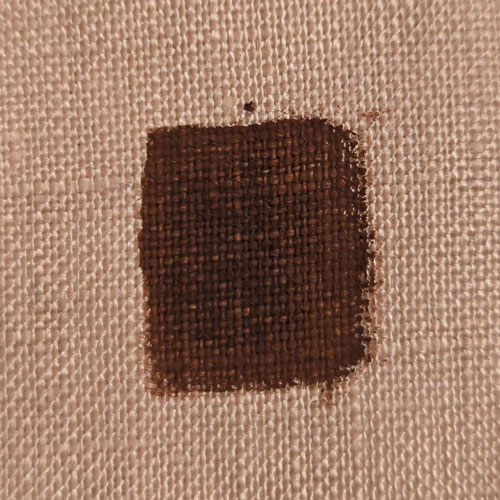
To help you better understand the results, I have included examples from my own surface tests. One of the examples demonstrates a fabric that was not suitable for painting, where the color did not spread evenly. These examples are shared as real testing results, not as perfect or correct outcomes. Surface testing is part of the process for every artist before starting any project.
Continue Your Learning Path
This lesson introduces how fabric behaves as a painting surface.
In the next lesson, you will learn how to choose and prepare the essential tools and materials needed to begin fabric stenciling.
➡ Next Lesson: Fabric Stenciling Tools & Materials